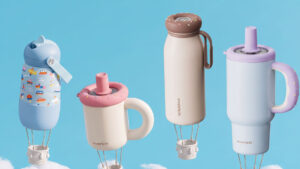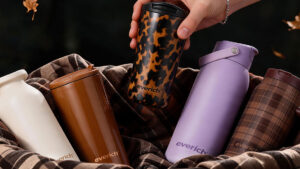
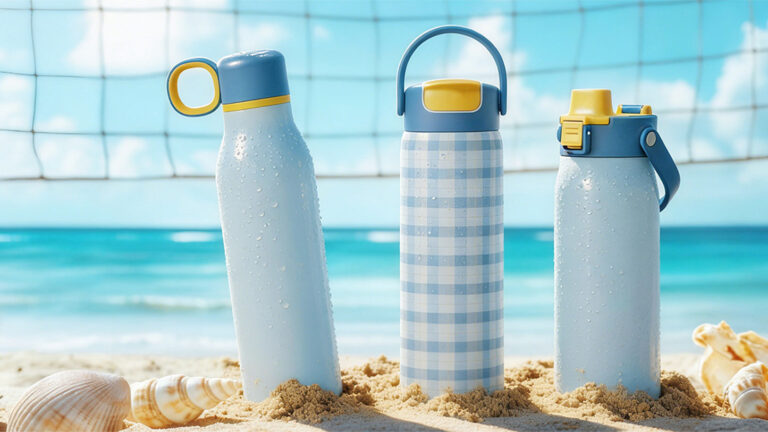
The best material for water bottle projects depends on the target market, product positioning, beverage type, price point, compliance requirements, and expected use. For most reusable insulated bottles, 304 stainless steel is the best standard choice. For premium, coastal, acidic-drink, or heavy-use products, 316 stainless steel may be worth the upgrade. For lightweight sports and kids’ bottles, Tritan or PP can make more sense. For premium tabletop or lifestyle products, glass or titanium may fit the brand story better.
For B2B buyers, the material decision should not be based on a single claim such as “BPA-free” or “food-grade.” It should be backed by the right specification, test documents, supplier controls, and market-specific compliance.
This guide explains how to choose food-grade drinkware materials for custom water bottles, tumblers, lids, straws, and accessories.
Quick Answer: What Is the Best Material for a Water Bottle?
For mainstream B2B reusable drinkware, 304 stainless steel is usually the best material for water bottle projects because it balances safety, corrosion resistance, manufacturability, cost, durability, and suitability for vacuum insulation. A 316 stainless steel water bottle is better for premium lines, acidic or salty beverages, coastal environments, or buyers who want a higher-grade material story.
However, stainless steel is not the only option. Tritan is strong for lightweight transparent bottles, PP is practical for lids and cost-effective products, silicone is useful for seals and flexible parts, glass gives a clean premium feel, and titanium supports high-end outdoor positioning.
The best choice is the material that fits your market and can be verified by documentation.
What “Food-grade” Really Means for B2B Drinkware Buyers
“Food-grade” should mean more than a label on a product page. In B2B sourcing, it means the materials and components intended to contact food or beverages are suitable for their intended use and comply with the target market’s food-contact requirements.
The U.S. FDA explains that a food contact substance includes packaging, components, cookware, and other materials that contact food but are not intended to have a technical effect in the food. The European Commission explains that food-contact materials can include plastic, paper, glass, and metal, and they must comply with safety rules so they do not release substances that endanger health, change food composition, or affect taste or smell.
For drinkware buyers, this means every water-contact part matters:
- Bottle inner wall
- Lid
- Straw
- Gasket
- Spout
- Handle insert
- Coating or lining where applicable
- Silicone sleeve or stopper
- Plastic accessories
Do not evaluate only the bottle body. A stainless steel bottle with an unverified plastic lid or unknown silicone gasket is not fully specified for food-contact use.
304 Stainless Steel Water Bottle: Best Standard Choice for Most Brands
A 304 stainless steel water bottle is the standard choice for many insulated bottles, tumblers, mugs, and reusable drinkware products. 304 stainless steel is also commonly described as 18/8 stainless steel because of its typical chromium and nickel content.
For B2B buyers, 304 is popular because it offers a strong balance of:
- Corrosion resistance for everyday beverages
- Good manufacturability for deep drawing and welding
- Stable performance in vacuum-insulated structures
- Smooth surface finish
- Food-contact suitability when properly specified and tested
- Competitive cost compared with higher-grade materials
- Good fit for mainstream retail and promotional markets
Use 304 stainless steel for:
- Everyday water bottles
- Coffee tumblers
- Sports bottles
- Corporate gift drinkware
- Retail private label bottles
- Kids’ stainless steel bottles
- Standard insulated bottle lines
For most water, coffee, tea, and daily hydration use cases, 304 stainless steel is usually sufficient. It gives buyers a safe, durable, and scalable material choice without pushing the product into a premium-cost tier.
316 Stainless Steel Water Bottle: Premium Choice for Tougher Conditions
A 316 stainless steel water bottle is usually positioned as a premium upgrade. The key difference is that 316 stainless steel contains molybdenum, which improves resistance to chloride-related corrosion and pitting.
For B2B buyers, 316 may be worth considering when the product is designed for:
- Premium retail positioning
- Outdoor and marine environments
- Coastal markets
- Sports electrolyte drinks
- Lemon water or acidic beverages
- Salty or mineral-rich drinks
- Heavy daily use
- Higher-end corporate gifts
- Buyers who want a stronger material story
The trade-off is cost. 316 stainless steel is generally more expensive than 304, and most everyday users may not notice a practical difference when drinking plain water or standard beverages.
This makes 316 a strategic choice, not an automatic upgrade. Use it when the brand positioning, environment, beverage type, or retail story justifies the added cost.
304 vs 316 vs 430 Stainless Steel: Buyer Comparison Table
Stainless steel grades should not be treated as a simple ranking where the highest number is always best. Each grade has a different composition and application.
| Material | Common Drinkware Role | Strengths | Watch-outs | Best B2B Fit |
|---|---|---|---|---|
| 304 stainless steel | Standard insulated bottles and tumblers | Good corrosion resistance, stable manufacturing, strong cost-performance | Not as corrosion-resistant as 316 in harsh chloride environments | Mainstream reusable water bottles and tumblers |
| 316 stainless steel | Premium or harsh-use bottles | Better resistance to salty, acidic, or humid environments | Higher cost | Premium outdoor, marine, coastal, or acidic-drink product lines |
| 430 stainless steel | Some decorative or limited-use metal items | Lower cost, magnetic, useful in some kitchen applications | Lower corrosion resistance than 304/316 for insulated drinkware | Not recommended as the main material for high-performance insulated bottles |
Everich Hydro’s stainless steel guide notes that 430 has uses in appliances and decorative kitchen parts, but it is not the right fit for high-performance vacuum-insulated cups. For insulated drinkware, 304 is typically the standard choice and 316 is the premium upgrade.
Tritan Water Bottles: BPA-free Clarity for Sports and Kids’ Products
Tritan is a clear, durable copolyester often used for BPA-free water bottles, sports bottles, shaker bottles, kids’ bottles, and transparent drinkware. Eastman describes Tritan for water bottles as durable, food-contact safe, stain and odor resistant, easy to clean, and free of chemicals like BPA.
For B2B buyers, Tritan is useful when the product needs:
- Transparency
- Lightweight handling
- Impact resistance
- Clear volume visibility
- Lower weight than glass
- Sports or outdoor positioning
- Kids’ and family hydration products
- Custom colors and shapes
Tritan is not a replacement for vacuum-insulated stainless steel when temperature retention is the main selling point. It is better for bottles where clarity, weight, portability, and impact resistance matter more than hot/cold insulation.
When sourcing Tritan water bottles, confirm the exact resin, supplier documents, food-contact reports, dishwasher-safe claims, and whether the product is made from Eastman Tritan or another copolyester.
PP, Silicone, and Plastic Components: Do Not Ignore Lids and Accessories
Many drinkware material decisions happen outside the bottle body. Lids, straws, gaskets, spouts, buttons, handles, and infusers often use PP, Tritan, silicone, TPE, or other plastics.
PP is widely used for food-contact lids and everyday drinkware parts because it is lightweight, practical, and cost-effective. Silicone is commonly used for sealing rings, gaskets, sleeves, grips, and foldable parts because it is flexible and heat resistant. Tritan may be used for clear lids, transparent bodies, and durable accessories.
Common risks include:
- Generic “BPA-free” claims without documents
- Silicone with odor
- Gaskets that deform after heat or washing
- Lids that crack after drop testing
- Straws that discolor or retain odor
- Plastic parts not covered by the same test report as the bottle body
For B2B buyers, every component should be listed in the specification sheet. Ask the supplier for material details and test documents for the lid, straw, gasket, and accessories, not only the bottle body.
Glass Water Bottles: Premium Feel With Fragility Trade-offs
Glass is naturally BPA-free and offers a clean taste experience because it does not usually retain odor or flavor. Borosilicate glass is often used for drinkware because it offers better thermal resistance than ordinary glass.
Glass works well for:
- Premium lifestyle bottles
- Office or home drinkware
- Tea and fruit-infused beverages
- Retail collections focused on clean taste
- Gift sets
- Eco-positioned products
The trade-off is breakage. Glass bottles need stronger packaging, protective sleeves, careful drop-risk communication, and realistic sales-channel planning. They are not always the best option for outdoor, kids, fitness, or rough travel use.
For B2B buyers, glass can be a strong product when the brand story supports it and the packaging protects it.
Titanium Water Bottles: Lightweight Premium Positioning
Titanium is a premium material used in selected outdoor, camping, travel, and high-end drinkware categories. It is lightweight, corrosion-resistant, and has a strong performance story for outdoor users.
Titanium is usually not the cheapest choice, so it should be positioned carefully. It may fit:
- Premium outdoor brands
- Camping collections
- Lightweight travel products
- High-end corporate gifts
- Minimalist lifestyle drinkware
- Premium specialty catalogs
For B2B buyers, titanium is less about replacing 304 stainless steel for mainstream products and more about creating a premium product line with a distinctive material story. Buyers should confirm purity, food-contact documents, surface finish, welding, and packaging requirements before launching titanium drinkware.
Coatings, Paints, and Recycled Materials: Hidden Material Decisions
The “material” decision does not stop with metal or plastic. Surface finishes, coatings, inks, and recycled content also affect safety, durability, and compliance.
Buyers should evaluate:
- Powder coating
- Spray painting
- UV printing
- Laser engraving
- Heat transfer
- 3D printing or texture effects
- Soft-touch coatings
- PCR plastics
- Recycled stainless steel claims
- GRS or other recycled-content documentation where relevant
These choices affect more than appearance. A poor coating can peel, scratch, stain, or fail dishwasher testing. Recycled materials can support sustainability positioning, but buyers should verify whether the recycled material is suitable for food-contact use and whether the documentation matches the exact product.
For eco-positioned drinkware, avoid broad sustainability claims unless the supplier can support them with material records, test reports, chain-of-custody documents, or recognized certifications.
Material Selection Matrix for B2B Buyers
Use this matrix when deciding the best material for water bottle projects:
| Product Goal | Recommended Material Direction | Why It Fits |
|---|---|---|
| Mainstream insulated bottle | 304 stainless steel | Best balance of cost, durability, corrosion resistance, and manufacturability |
| Premium insulated bottle | 316 stainless steel | Stronger corrosion resistance and premium material story |
| Sports bottle with visible water level | Tritan | Lightweight, clear, impact-resistant, BPA-free positioning |
| Kids’ hydration bottle | 304 stainless steel or Tritan with verified parts | Durable, safe, and suitable for family-oriented product lines |
| Low-cost everyday bottle | PP or selected BPA-free plastics | Cost-effective when material and testing are verified |
| Premium office or gift bottle | Glass or stainless steel | Clean taste and elevated presentation |
| Outdoor specialty bottle | 316 stainless steel or titanium | Stronger performance story for demanding use |
| Collapsible or flexible parts | Food-grade silicone | Flexible, heat-resistant, useful for seals and accessories |
| Sustainability-focused line | Certified PCR plastics or recycled metal where appropriate | Supports eco positioning when documentation is available |
The best material is the one that fits the use case, price point, compliance market, and brand promise.
Documents to Request Before Approving Production
Before approving a material for bulk production, ask your supplier for documentation tied to the exact SKU and components.
Request:
- Material specification sheet
- Stainless steel grade confirmation
- Plastic resin information
- Food-contact test report
- BPA-free report where plastic parts are involved
- LFGB or EU food-contact documentation for EU markets
- FDA-related documentation for US market requirements
- REACH documentation where applicable
- GRS documentation for recycled-content claims
- Coating or ink test report
- Dishwasher-safe test report if claimed
- Heavy metals or migration test where relevant
- Supplier declaration matching the exact production batch
Buyers should check the product name, material, color, component, test date, laboratory, report number, and intended-use conditions. A report for one lid, one plastic, or one color may not cover another SKU.
The goal is not to collect documents for decoration. The goal is to make sure the material used in production matches the material promised to the market.
How Everich Hydro Helps Buyers Choose Drinkware Materials
Everich Hydro supports B2B buyers with custom water bottles, stainless steel insulated bottles, BPA-free water bottles, Tritan bottles, glass bottles, titanium drinkware, tumblers, lids, and accessories. Its custom water bottle page describes OEM/ODM solutions using 18/8 food-grade stainless steel, Tritan, certified eco-friendly PCR plastics, powder coating, 3D printing, and strict quality control.
Everich Hydro’s material and product pages help buyers compare:
- 304, 316, and 430 stainless steel for drinkware
- BPA-free plastic water bottles
- Tritan water bottles
- Borosilicate glass water bottles
- Titanium cups and bottles
- Custom surface treatments
- Bottle lids and accessories
Its quality control page states that Everich Hydro has 50 QC inspectors and describes checks such as appearance inspection, heat preservation test, leak test, drop impact test, and dishwasher-safe test.
For buyers developing a custom drinkware line, Everich Hydro can help connect material selection with product structure, surface finish, lid design, packaging, compliance, and mass production planning.
FAQ
What is the best material for a water bottle?
For most reusable insulated water bottles, 304 stainless steel is the best standard choice because it balances durability, safety, corrosion resistance, manufacturing stability, and cost. For premium or harsher-use products, 316 stainless steel may be a better fit.
Is a 304 stainless steel water bottle safe?
Yes, 304 stainless steel is widely used for food-grade drinkware when properly specified, manufactured, and tested. Buyers should still confirm the exact stainless steel grade, lid materials, coatings, and food-contact documentation for the target market.
When should buyers choose a 316 stainless steel water bottle?
Choose 316 stainless steel when the product is positioned as premium or intended for acidic drinks, salty environments, coastal markets, heavy daily use, or outdoor applications where added corrosion resistance supports the product story.
Is Tritan better than stainless steel?
Tritan is better when the buyer needs a lightweight, transparent, impact-resistant BPA-free bottle. Stainless steel is better when insulation, durability, and premium reusable drinkware positioning matter more. The right choice depends on the product goal.
What material documents should B2B buyers request?
Buyers should request material specifications, food-contact test reports, BPA-free documents for plastic parts, stainless steel grade confirmation, coating or ink reports, and market-specific documents such as FDA, LFGB, REACH, or GRS where relevant.
Conclusion
Choosing food-grade drinkware materials is a sourcing decision, not only a product preference. 304 stainless steel is usually the best standard material for reusable insulated bottles. 316 stainless steel is a premium choice for tougher conditions. Tritan, PP, silicone, glass, titanium, coatings, and recycled materials each have their own role depending on product positioning and compliance needs.
For B2B buyers, the safest approach is to define the use case, target market, price point, certifications, and material documents before approving production.
Everich Hydro can help buyers compare materials for custom water bottles, tumblers, lids, and accessories, then connect material selection with OEM/ODM design, quality control, packaging, and bulk manufacturing.