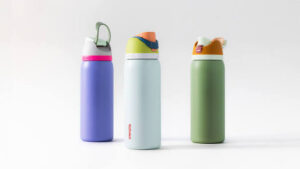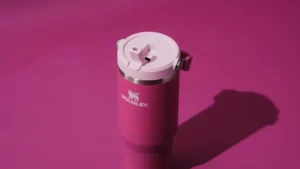
The tumbler manufacturing process usually includes material selection, stainless steel forming, trimming, welding, vacuum insulation, polishing, surface finishing, logo customization, lid production, assembly, quality testing, packaging, and pre-shipment inspection. For B2B buyers, each step affects product cost, insulation performance, surface durability, lead time, and bulk order consistency.
If you are sourcing custom tumblers for retail, corporate gifts, promotional campaigns, coffee brands, outdoor collections, or private label drinkware, understanding the process helps you ask better RFQ questions and choose a stronger manufacturing partner.
This guide explains how stainless steel tumblers are made and what B2B buyers should check before approving samples and mass production.
Quick Answer: How Are Stainless Steel Tumblers Made?
In a typical stainless steel tumbler manufacturing process, food-grade stainless steel is cut or formed into inner and outer cup bodies, shaped through deep drawing or tubing processes, welded, vacuum insulated, polished, coated, printed, assembled with lids and accessories, tested, and packaged for shipment.
For double-wall vacuum insulated tumblers, the vacuum insulation step is especially important. It removes air between the inner and outer walls, helping the tumbler keep drinks hot or cold for longer.
For custom tumbler projects, the process also includes surface finish selection, logo application, packaging design, sample approval, and final quality inspection before shipping.
Why B2B Buyers Should Understand the Process
Many buyers compare tumbler suppliers by price, capacity, color, and MOQ. Those are important, but they do not show the full sourcing risk.
The manufacturing process affects:
- Material safety
- Cup body strength
- Mouth and rim smoothness
- Vacuum insulation performance
- Coating adhesion
- Logo durability
- Lid fit and leak resistance
- Dishwasher-safe claims
- Packaging damage risk
- Repeat-order consistency
For bulk tumblers, a small defect can repeat across thousands of units. If the approved sample and mass production are not controlled by the same standards, buyers may face returns, delayed launches, repacking cost, or rejected inventory.
This is why B2B buyers should treat manufacturing knowledge as a sourcing tool. You do not need to be an engineer, but you should know which process steps create quality risk.
Step 1: Material Selection and Incoming Inspection
Tumbler quality begins with material selection. Most premium stainless steel tumblers use food-grade stainless steel for the inner and outer body. Common options include 304 stainless steel, 316 stainless steel for higher corrosion resistance, and 18/8 stainless steel, which is widely used in drinkware.
Buyers should also confirm materials for:
- Plastic lids
- Tritan parts
- PP components
- Silicone sealing rings
- Straws
- Handles
- Paints and coatings
- Packaging materials
For B2B projects, material documentation should match the exact product. A generic document for “stainless steel” or “plastic lid” is not enough if your market requires specific food-contact, BPA-free, LFGB, FDA, REACH, or retailer documentation.
Incoming inspection matters because raw material variation can affect forming, welding, polishing, color, odor, corrosion resistance, and final product performance. A reliable custom tumbler manufacturer should define material specifications before sampling and verify materials before production.
Step 2: Cutting, Deep Drawing, and Body Forming
After material approval, stainless steel is prepared for forming. Depending on product structure and factory equipment, the material may be processed from sheets, blanks, or tubes. The goal is to form the inner and outer cup bodies with stable height, wall thickness, diameter, and shape.
Common forming processes include:
- Cutting stainless steel blanks
- Deep drawing
- Stretching
- Tubing
- Water expansion or hydroforming for certain structures
- Necking or shaping the mouth area
- Bottom forming
This step affects the feel and performance of the finished tumbler. If wall thickness is inconsistent, the tumbler may dent more easily or fail dimensional checks. If the mouth diameter is unstable, the lid may not fit properly. If the body shape varies, packaging inserts and retail boxes may not fit consistently.
For custom tumbler projects, buyers should ask whether the supplier can control critical dimensions and provide first article inspection before mass production.
Step 3: Trimming, Necking, Welding, and Bottom Forming
Once the cup body is formed, the factory trims excess material and shapes the mouth, rim, and bottom. For double-wall stainless steel tumblers, inner and outer parts must be joined accurately. Welding quality affects strength, appearance, and vacuum insulation performance.
Important control points include:
- Smooth rim edge
- Accurate cup height
- Stable mouth diameter
- Proper bottom shape
- Weld strength
- No cracks or deformation
- Clean seams
- Correct fit between inner and outer walls
Poor trimming can create sharp edges. Poor welding can affect insulation or product durability. Poor bottom forming can make the tumbler unstable on a flat surface.
For B2B buyers, this stage is difficult to judge from product photos. The better approach is to inspect samples carefully and ask the manufacturer how it controls dimensions, rim smoothness, welding consistency, and appearance defects during production.
Step 4: Vacuum Insulation and Sealing
Vacuum insulation is the core process for insulated tumblers. A double-wall vacuum insulated tumbler has an inner wall and an outer wall with air removed from the space between them. This reduces heat transfer and helps drinks stay hot or cold.
The vacuum process usually involves:
- Joining inner and outer walls
- Creating or using a vacuum port
- Removing air from the space between walls
- Sealing the vacuum structure
- Testing insulation performance
If the vacuum seal is weak, the tumbler may lose thermal performance. Buyers may see complaints such as drinks getting warm too quickly, condensation on the outside, or the outer wall becoming too hot with hot beverages.
For bulk orders, buyers should not rely only on one sample. Ask for heat preservation or cold retention test standards, test duration, starting temperature, ambient temperature, and inspection frequency.
Vacuum performance is a functional quality issue, not only a marketing claim. It should be included in the sample approval and production QC plan.
Step 5: Polishing, Cleaning, and Surface Preparation
Before finishing, the tumbler needs polishing, cleaning, and surface preparation. This step removes burrs, marks, welding residue, dust, oil, and surface irregularities that could affect appearance or coating adhesion.
Surface preparation may include:
- Polishing
- Grinding
- Ultrasonic cleaning
- Degreasing
- Drying
- Dust removal
- Visual inspection
This stage is especially important for premium retail tumblers because small surface defects can become more visible after coating, plating, or logo application.
If the surface is not properly cleaned, powder coating, spray painting, or printing may not adhere well. If burrs are not removed, the rim or accessory contact points may feel rough.
Buyers should ask whether the supplier checks finish defects before surface treatment and again after coating or printing.
Step 6: Surface Finishing and Logo Customization
Surface finish is where a tumbler becomes a brand product. For B2B buyers, this step affects shelf appeal, perceived value, durability, and differentiation.
Common surface finish and branding options include:
- Powder coating
- Spray painting
- Electroplating
- Vacuum coating
- Gradient finish
- Rubber coating
- 3D or textured finishes
- Laser engraving
- Silkscreen printing
- UV printing
- Heat transfer printing
- Full-color logo printing
The right finish depends on the market, price point, use scenario, and brand style. Corporate gift buyers may prefer clean laser engraving. Retail brands may need bold color, texture, and premium packaging. Outdoor brands may prioritize scratch resistance and grip.
Quality risks at this stage include color mismatch, uneven coating, weak adhesion, logo misalignment, blurry printing, dust under coating, scratches, and poor dishwasher durability.
Before mass production, buyers should approve a physical finish sample, not only a digital mockup. Confirm Pantone or color target, logo size, placement tolerance, finish texture, coating durability, and whether dishwasher-safe testing is required.
Step 7: Lid, Straw, Handle, and Accessory Production
Tumblers are not only metal cups. Lids, straws, handles, sliders, gaskets, buttons, and seals all affect user experience. Many of these parts are made through injection molding and assembly.
Key accessory questions include:
- Is the lid BPA-free?
- What material is used for the straw?
- Is the gasket food-grade silicone?
- Does the lid fit securely?
- Is the slider easy to clean?
- Is the handle strong enough?
- Can the lid support leak-resistant or spill-resistant use?
- Are replacement lids or straws available?
- Can lid color match the tumbler body?
Accessory fit is a common source of complaints. A beautiful tumbler can still fail if the lid rattles, leaks, cracks, smells, or is difficult to clean.
For custom tumbler programs, lid and accessory development should be discussed early in the design stage, especially for 40 oz tumblers, handled tumblers, straw tumblers, travel mugs, and coffee tumblers.
Step 8: Assembly and Functional Testing
After the body, finish, logo, lid, and accessories are ready, the tumbler is assembled and tested. This stage verifies whether the product works as a finished unit.
Useful tests may include:
- Appearance inspection
- Capacity check
- Dimension check
- Lid fit inspection
- Leak test or spill-resistance check
- Heat preservation test
- Cold retention test
- Drop impact test
- Dishwasher-safe test
- Coating adhesion test
- Printing durability test
- Salt spray test for corrosion resistance where relevant
Everich Hydro’s quality control page lists inspection items such as appearance inspection, heat preservation test, leak test, drop impact test, and dishwasher-safe test. For B2B buyers, the key is to decide which tests apply to the tumbler model and target market before production begins.
Do not wait until final inspection to define quality. The manufacturer and buyer should agree on test standards during sample approval.
Step 9: Packaging and Pre-shipment Inspection
Packaging protects the tumbler during international shipping and supports the retail or promotional experience. Poor packaging can create scratches, dents, damaged boxes, missing accessories, barcode errors, and delayed distribution.
Packaging options may include:
- Individual polybag
- Protective paper wrap
- Kraft box
- Color retail box
- Gift box
- Custom insert
- Instruction card
- Barcode label
- Carton mark
- Pallet plan
For bulk tumbler orders, packaging should be tested against the real distribution route. E-commerce shipments, retail pallets, promotional gift sets, and warehouse distribution may need different packaging solutions.
Before shipment, buyers should request inspection photos or reports showing product appearance, function tests, packaging, carton labels, and quantity checks. A good pre-shipment inspection reduces surprises when goods arrive.
Buyer Checklist: What to Ask Your Tumbler Manufacturer
Use this checklist when discussing the tumbler manufacturing process with a potential supplier:
- What stainless steel grade is used for the inner and outer body?
- Are lid and straw materials BPA-free?
- Which parts are dishwasher-safe?
- What forming process is used for this tumbler shape?
- How do you control wall thickness and mouth diameter?
- How is vacuum insulation tested?
- What surface finishes are available?
- Can you provide physical color and finish samples?
- What logo methods do you support?
- What is the MOQ for stock products, custom color, custom logo, and custom packaging?
- How long does sampling take?
- How many sample revisions are included?
- Can you support OEM/ODM tumbler manufacturing?
- What QC tests are included before shipment?
- Can you provide inspection reports or photos?
- What packaging options are available for retail or promotional use?
- Can you keep the same material, color, logo, and packaging for repeat orders?
This checklist helps buyers compare suppliers beyond unit price. A manufacturer that answers these questions clearly is usually easier to work with during mass production.
How Everich Hydro Supports Custom Tumbler Manufacturing
Everich Hydro is a custom drinkware manufacturer and supplier serving B2B customers with stainless steel insulated bottles, tumblers, mugs, coffee tumblers, outdoor drinkware, and related products. Its coffee tumbler page highlights 25+ years of manufacturing experience, trust from 300+ global brands, OEM/ODM support with low MOQ, food-grade 18/8 stainless steel, BPA-free lids, fast prototyping, and 5 global factories.
Everich Hydro’s manufacturing page describes a complete production system covering R&D, design, production, automated forming, vacuum insulation, surface treatment, assembly, and quality control for stainless steel insulated bottles, tumblers, travel mugs, and outdoor drinkware.
For B2B buyers, this means Everich Hydro can support the process from idea to bulk delivery: material selection, product structure, surface finish, logo customization, lid options, packaging, sample development, testing, and production inspection.
If you are developing custom coffee tumblers, handled tumblers, straw tumblers, travel mugs, or insulated retail drinkware, Everich Hydro can help review manufacturing feasibility before mass production.
Conclusion
The tumbler manufacturing process is more than metal forming. It includes material selection, body forming, welding, vacuum insulation, polishing, surface finishing, accessory production, assembly, testing, packaging, and shipment control.
For B2B buyers, every step affects product quality, cost, lead time, customization, and repeat-order stability. Understanding the process helps you ask better supplier questions and avoid expensive quality issues.
Everich Hydro supports custom tumbler manufacturing with OEM/ODM service, material options, surface finishes, lid solutions, quality control, and global bulk supply. If you are planning a custom tumbler project, start with a clear specification and review the manufacturing process before approving mass production.