
For B2B buyers, especially those sourcing drinkware for retail, promotional campaigns, or private labeling, understanding the cost differences between various bottle types is essential. One question that frequently comes up is: Why are tumblers priced higher than regular water bottles? This article breaks down the key factors and helps purchasing managers and brand owners make more informed sourcing decisions.
What Is a Tumbler and How Is It Different from a Regular Water Bottle?
A tumbler typically refers to a double-wall, vacuum-insulated stainless steel drinkware product, often used for both hot and cold beverages. Tumblers usually feature spill-resistant lids, powder coating, and ergonomic designs.
In contrast, a regular water bottle may be made of single-wall plastic, aluminum, or even glass. These bottles may not retain temperature and are generally more lightweight and affordable.
Feature | Tumbler | Regular Water Bottle |
Material | Stainless Steel (304/316), BPA-Free | Plastic/Aluminum/Glass |
Insulation | Double Wall Vacuum | None or Minimal |
Temperature Retention | 6–24 Hours | None |
Durability | High | Moderate |
Ideal For | Office, Travel, Gifts, Promotions | Sports, Single-Use, Budget Retail |
Reasons Why Tumblers Cost More
a. Material Quality
Tumblers use food-grade 304 or 316 stainless steel, which is significantly more expensive than plastic or aluminum. Premium tumblers also include powder coating, silicone bases, or copper lining, all of which increase the unit cost.
b. Vacuum Insulation Technology
Tumblers are vacuum-insulated, which requires:
- Dual-layer welding
- Air extraction (vacuum sealing)
- Testing for thermal performance
These manufacturing steps add complexity and energy costs.
c. Manufacturing Complexity
Compared to injection-molded plastic bottles, tumblers require:
- Deep drawing or spinning of metal bodies
- Precision lid fitting and leak testing
- Painting or powder coating in custom colors
This complexity justifies a higher price, especially for custom branding and bulk production.
d. Brand Positioning and Lifestyle Design
Many tumbler brands target lifestyle or premium positioning (e.g., Yeti, Stanley, Hydro Flask). Even OEM/ODM clients may request retail-ready aesthetics that require:
- Custom color matching
- Unique lid structures (flip, straw, sip)
- Packaging design (gift boxes, sleeves)
Are Tumblers Worth the Price?
Yes—especially when your brand or retail client values:
- Long-lasting quality
- Temperature control
- Eco-conscious product appeal
- High perceived value in gifting or resale
While the unit price is higher, the ROI per unit (in retail markup or brand impression) is often greater.
How Market Demand Influences Tumbler Pricing
In recent years, demand for tumblers has grown significantly, especially within niche categories like straw tumblers, coffee tumblers, and fitness-oriented drinkware. This shift toward specialized consumer preferences has driven product innovation and added value, contributing to higher price points and solidifying tumblers’ position in the premium drinkware segment.
The Impact of Social Media
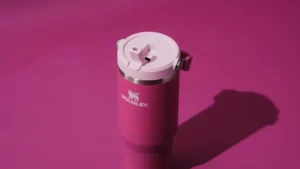
The rise of the Stanley Tumbler on TikTok is a prime example of how social media shapes product perception—and pricing.
Despite its rugged and utilitarian look, this oversized tumbler has captured the hearts of millions of young users online. On TikTok, it has become a status symbol, featured in countless “what’s in my bag” videos, unboxings, and daily routines. The so-called “cup flex” trend has driven massive organic exposure, prompting both everyday users and influencers to showcase their Stanley collections.
What sets Stanley apart is its ability to bridge function with culture. Originally designed for outdoor adventurers, it has now found new life among wellness enthusiasts, busy professionals, and Gen Z commuters. Its viral success has led to frequent sellouts, resale markups, and long waitlists—all of which further validate its premium positioning in the market.
In short, social media doesn’t just create hype—it creates real economic impact, influencing both perceived value and consumer willingness to pay.
Diversified Consumer Scenarios
As consumer expectations evolve, so do the definitions of value. Modern buyers no longer see a tumbler as “just a cup” — it’s a daily companion, a wellness enabler, and in many ways, a reflection of their lifestyle.
Take the Stanley Tumbler, for example. Once positioned as a rugged outdoor product, it has now become a symbol of healthy living and day-to-day convenience. Whether it’s for staying hydrated at work, sipping iced coffee during a commute, or carrying electrolyte-infused water to the gym, consumers increasingly expect drinkware to be multifunctional, durable, and aesthetically pleasing.
This shift toward lifestyle integration contributes to rising consumer demand and higher price tolerance. When a product becomes part of someone’s routine and identity, the perceived value naturally increases — and so does its market price. That’s why lifestyle-oriented tumblers often carry premium price tags compared to traditional bottles.
We’ve heard of “commute buddies” and “travel companions,” but the tumbler-as-a-lifestyle partner might be a new concept. Still, it resonates deeply with today’s health-conscious consumers — and not by accident.
Stanley’s success can be traced back to its scenario-driven content strategy. By aligning closely with the daily habits of its target audience, the brand inspired TikTok creators to showcase the tumbler in real-life settings: early-morning coffee rituals, gym hydration routines, cross-country road trips, and even cozy evenings at home. These visual narratives made it easy for consumers to imagine the tumbler as part of their own lifestyle — a reliable sidekick for every occasion.
Whether it’s piping-hot coffee in the morning or ice-cold water on a weekend hike, the message is clear: the tumbler is always there when you need it. It’s not just drinkware — it’s a part of the user’s wellness journey.
By embedding the product into relatable, desirable routines, brands elevate both emotional connection and purchase intent. And as more consumers adopt tumblers as their “everyday lifestyle buddy,” demand — and pricing — naturally follow.
Looking for Affordable Yet High-Quality Tumblers?
At EverichHydro, we specialize in wholesale insulated tumblers with customizable features, including:
- Flip, sip, or straw lids
- Laser engraving or full-color logo printing
- MOQ starting from 500 pcs
- Support for OEM/ODM customization
Contact us for catalogs, samples, and pricing.
FAQ: Tumblers vs Water Bottles
Q1: Why are tumblers more expensive than plastic bottles?A: Tumblers use stainless steel, vacuum insulation, and more sophisticated assembly techniques.
Q2: Do tumblers offer better value in bulk?A: Yes. For resale or corporate gifting, the higher perceived value often leads to better margins and brand exposure.
Q3: Can you customize tumblers with logos and colors?A: Yes. EverichHydro offers full OEM/ODM services including logo printing, color matching, and packaging design.
Q4: What’s the MOQ for bulk tumbler orders?A: Our standard MOQ starts from 500 pieces, depending on style and customization.
Explore our collection of customizable tumblers tailored for corporate, retail, and promotional use:
Browse Tumbler Catalog